
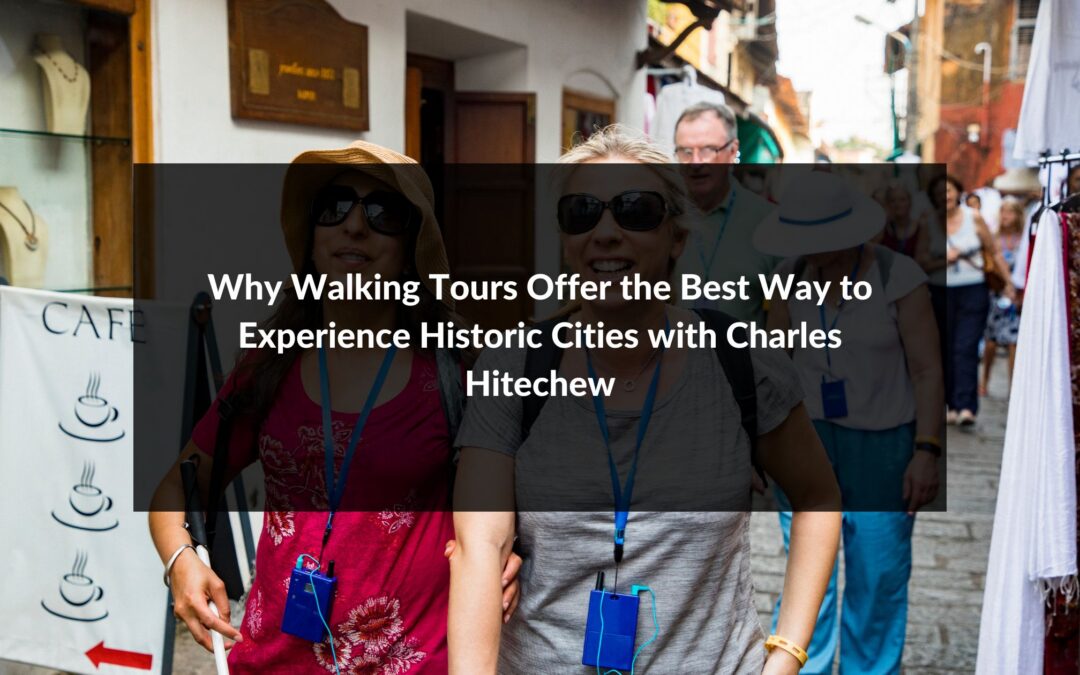
Historic cities have a unique ability to connect travelers with the past through architecture, culture, and centuries of tradition. While buses, taxis, and guided transportation make it easy to move between landmarks, travel enthusiast Charles Hitechew believes that walking remains the best way to truly experience these remarkable destinations. Exploring on foot allows travelers to appreciate details that are often missed while creating a deeper connection with the history and character of each city.
Seeing More Than the Major Attractions
Many travelers build itineraries around famous landmarks, but historic cities offer much more than their best known attractions. Walking allows visitors to discover quiet streets, hidden courtyards, local cafés, and historic neighborhoods that often receive little attention in guidebooks.
In cities like Prague, Florence, and Edinburgh, simply wandering through side streets can reveal centuries old buildings, artisan shops, and beautiful public squares that contribute to the city’s unique identity.
Charles Hitechew encourages travelers to leave room for exploration rather than focusing only on checking famous sites off a list. Some of the most memorable discoveries happen unexpectedly while walking between planned destinations.
Appreciating Architectural Details
Historic cities are filled with architectural features that often go unnoticed when viewed from a moving vehicle. Walking provides the opportunity to admire intricate stonework, decorative balconies, historic churches, statues, and narrow alleyways that tell the story of a city’s development over hundreds of years.
Every neighborhood often reflects a different period of history. Travelers can observe how architectural styles evolved while gaining a better understanding of local culture and heritage. Taking time to pause and appreciate these details transforms sightseeing into a richer educational experience.
Connecting with Local Life
Walking also creates more opportunities to interact with local communities. Neighborhood markets, family owned cafés, street musicians, and independent bookstores become natural stops along the journey.
Charles Hitechew believes these everyday experiences often become the highlight of a trip. Conversations with local residents or recommendations from shop owners can lead travelers to restaurants, viewpoints, or attractions that are not widely known.
Experiencing daily life firsthand offers valuable insight into how historic cities continue to evolve while preserving their cultural traditions.
A Healthier and More Relaxed Way to Travel
Walking tours provide physical benefits alongside cultural enrichment. Spending several hours exploring on foot encourages travelers to slow down, enjoy fresh air, and fully absorb their surroundings rather than rushing from one attraction to another.
Many historic city centers were originally designed for pedestrians long before automobiles existed. Their narrow streets, public squares, and interconnected neighborhoods are ideally suited for walking, making exploration both convenient and enjoyable.
Rather than following a rigid schedule, travelers can stop whenever something captures their attention, creating a more flexible and personalized experience.
Preparing for a Successful Walking Tour
Charles Hitechew recommends planning ahead while leaving room for spontaneity. Comfortable walking shoes, weather appropriate clothing, and a reusable water bottle can make long days of exploration much more enjoyable.
Researching a city’s layout before arrival also helps travelers identify neighborhoods, historic districts, and scenic walking routes. Early morning or late afternoon walks often provide cooler temperatures, softer lighting for photography, and fewer crowds at popular attractions.
Discovering the True Character of Historic Cities
Walking tours offer far more than simple transportation between landmarks. They provide an opportunity to experience the atmosphere, culture, and history that define each destination.
For Charles Hitechew, the most rewarding travel experiences happen when visitors slow their pace and engage with a city one street at a time. By exploring on foot, travelers can uncover hidden corners, appreciate architectural beauty, and connect with local communities in ways that create lasting memories long after the journey ends.