
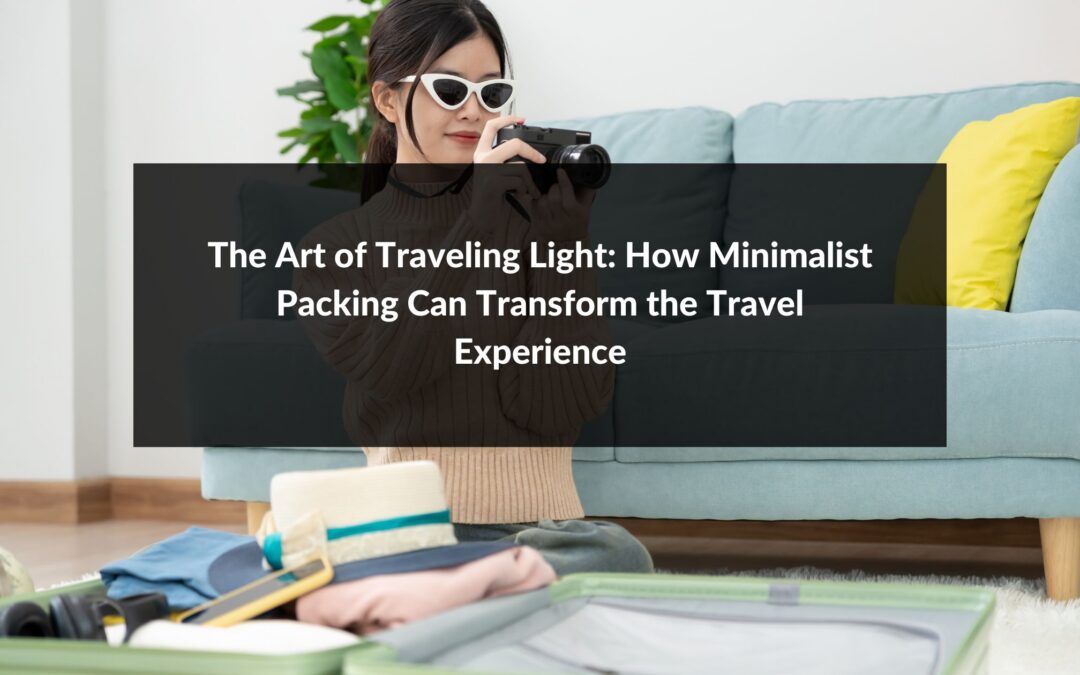
Packing is often one of the most stressful parts of preparing for a trip. Travelers may feel tempted to bring extra clothing, multiple pairs of shoes, and items they might never use. However, traveling with less can create a more flexible and enjoyable experience. For travel enthusiast Charles Hitechew, minimalist packing is not about sacrificing comfort. It is about making thoughtful choices that allow travelers to focus more on exploration and less on managing their belongings.
Why Packing Less Makes Travel Easier
One of the biggest advantages of minimalist packing is greater mobility. A lighter suitcase is easier to carry through airports, train stations, city streets, and hotel lobbies. Travelers can move between destinations without constantly worrying about heavy luggage or finding space for large bags.
Traveling light can also make spontaneous decisions easier. Whether changing accommodations, taking public transportation, or adding an unexpected destination to an itinerary, fewer belongings create greater freedom.
Charles Hitechew believes that simplifying luggage allows travelers to concentrate on the experience itself rather than the logistics surrounding it.
Choosing Versatile Clothing
A successful minimalist packing strategy begins with selecting versatile clothing. Instead of packing an outfit for every possible situation, travelers can choose pieces that work across multiple settings.
Neutral colors and interchangeable items make it easier to create different combinations without bringing an oversized wardrobe. Lightweight layers are particularly useful because they can adapt to changing weather conditions while taking up relatively little space.
Travelers should also consider the activities planned for the trip. A comfortable pair of walking shoes, for example, may be more valuable than packing several pairs of footwear that serve only one purpose.
Prioritizing Essentials
Minimalist packing requires travelers to distinguish between essentials and items they simply think they might need. Before placing something in a suitcase, it can be helpful to ask whether the item will genuinely be used during the trip.
Many destinations offer access to basic necessities, meaning travelers do not always need to pack products for every possible situation. Toiletries can often be purchased locally, while many accommodations provide basic items such as towels and hair dryers.
Charles Hitechew recommends creating a short list of true essentials before beginning to pack. This simple step can prevent unnecessary additions from taking over valuable luggage space.
Using Technology Wisely
Technology can also help reduce the amount travelers need to carry. Instead of bringing physical guidebooks, maps, and multiple entertainment devices, travelers can often consolidate these resources through a smartphone or tablet.
Digital boarding passes, travel documents, maps, reading materials, and translation tools can all reduce the need for additional physical items. Portable chargers and universal adapters can also support essential technology without adding significant weight.
The goal is not to eliminate every physical item but to use technology where it provides practical convenience.
Making Room for Experiences
Perhaps the greatest benefit of minimalist packing is the freedom it creates. Travelers who are not weighed down by excessive luggage can spend more time enjoying their surroundings and less time organizing their belongings.
A lighter suitcase also leaves room for meaningful purchases along the way. Instead of filling luggage before departure, travelers can leave some space for locally made crafts, clothing, books, or other souvenirs that have a personal connection to the journey.
A More Intentional Approach to Travel
Minimalist packing is ultimately about making intentional decisions. By choosing versatile clothing, prioritizing essentials, and reducing unnecessary belongings, travelers can simplify their journeys without sacrificing comfort.
For Charles Hitechew, traveling light represents more than a practical packing strategy. It reflects a broader approach to exploration that values flexibility, simplicity, and meaningful experiences. When travelers carry less, they often gain something more valuable: the freedom to focus on the places they visit and the memories they create along the way.